
- Featured case
- Biomimicry
- CMDE Labs IP
- Research partner: IIT Kanpur
How a seahorse tail changed design, from keyboard keys to offshore floating oil rigs
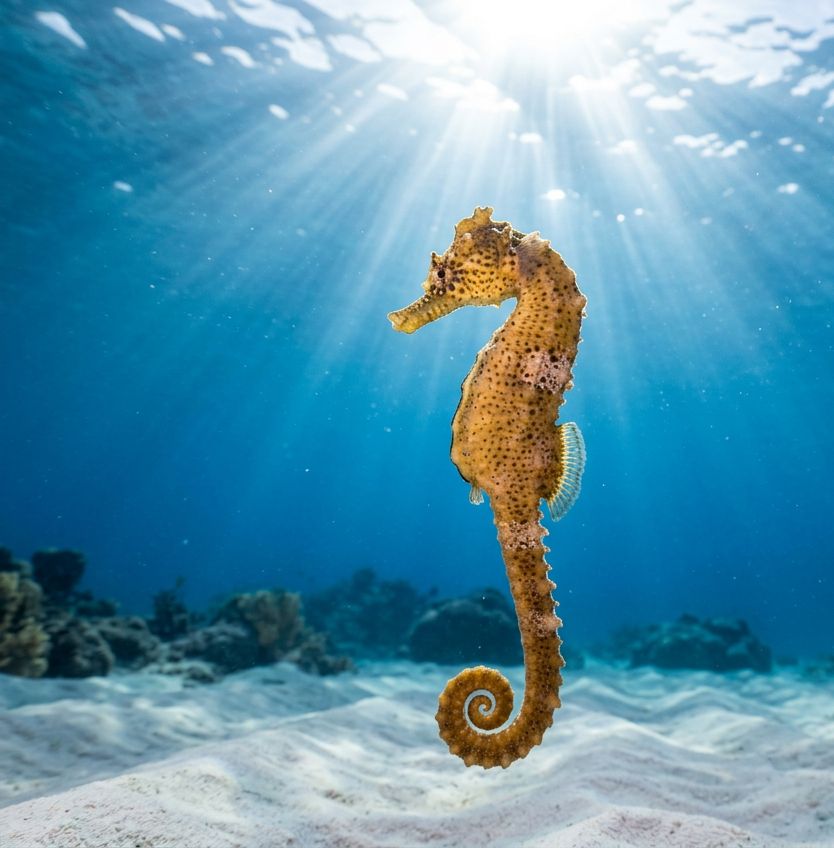
One of the finest examples of biomimicry: the seahorse-tail stabilizer.
Case for Norbauer & Co. · Design for long-key stabilizers

The per-structure saving is an estimate derived from the 4–5% and $250–300M figures.
01 · The challenge
A long key that must stay rigid and flexible at once
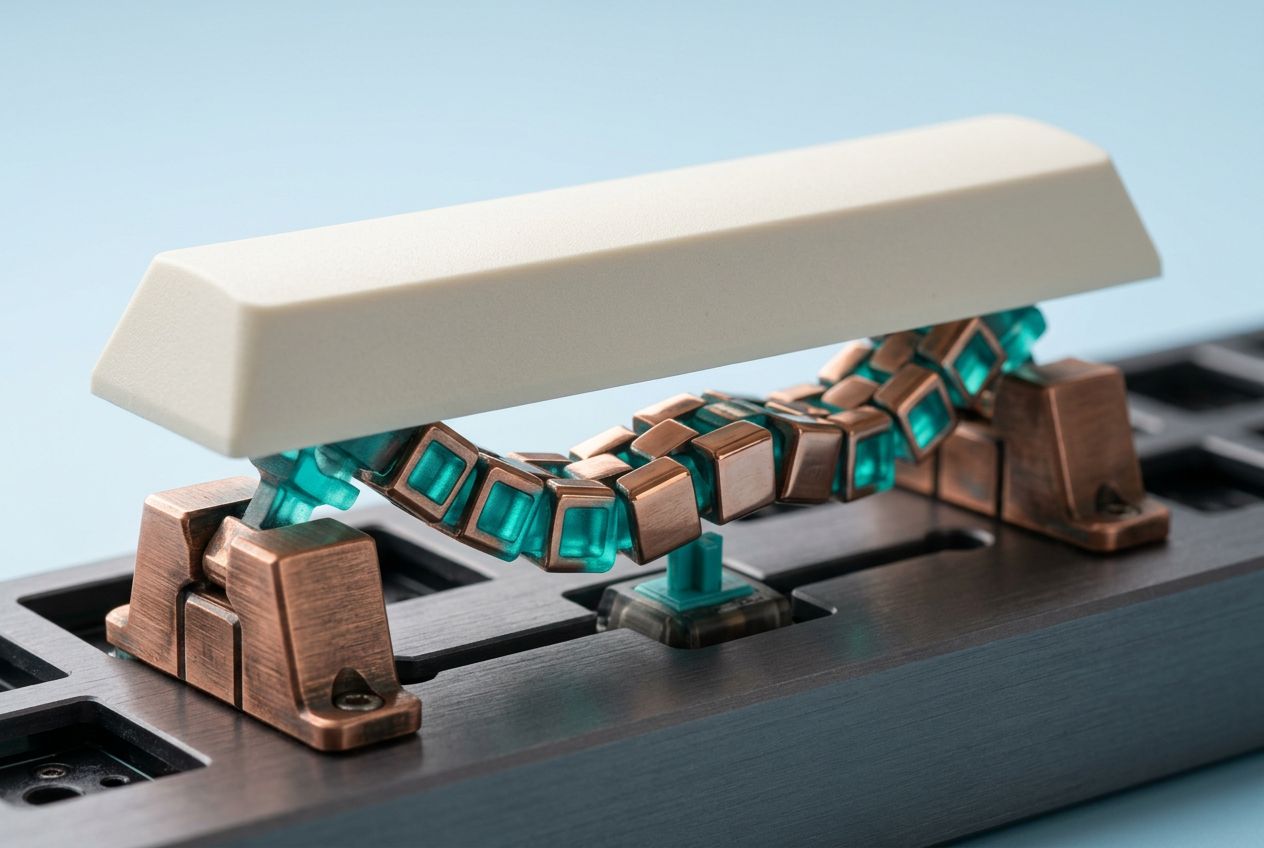
Norbauer & Co. asked CMDE Labs for design ideas for long-key stabilizers for Norbauer Keyboards.
A stabilizer has to be rigid enough to keep the key steady and flexible enough to move with every press. Conventional rigid-body designs trade one for the other.
02 · Nature’s answer · Biomimicry
Seahorse tail inspired design techniques; creating new methods
Seahorses have tails that are paradoxically rigid and flexible at the same time. They can handle deformation up to 50% without compromising the structure.
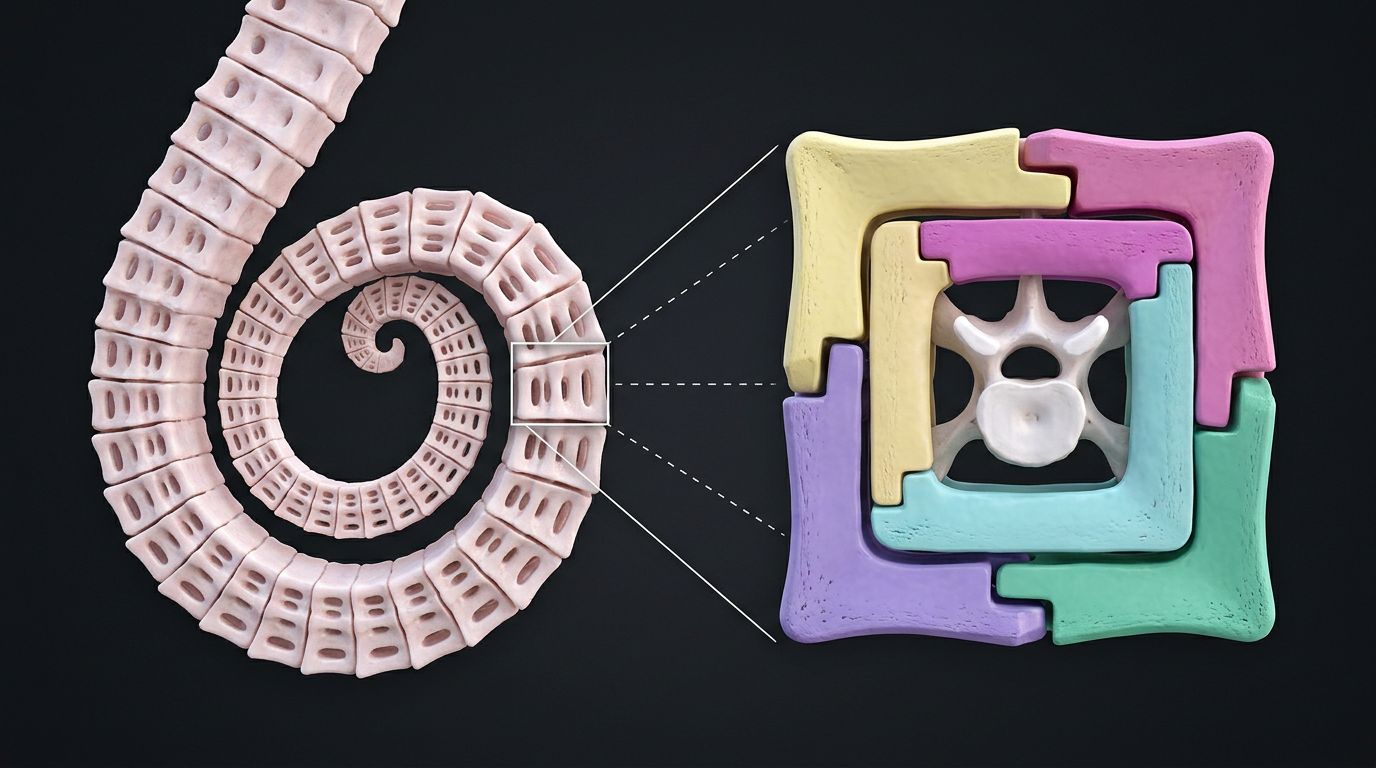
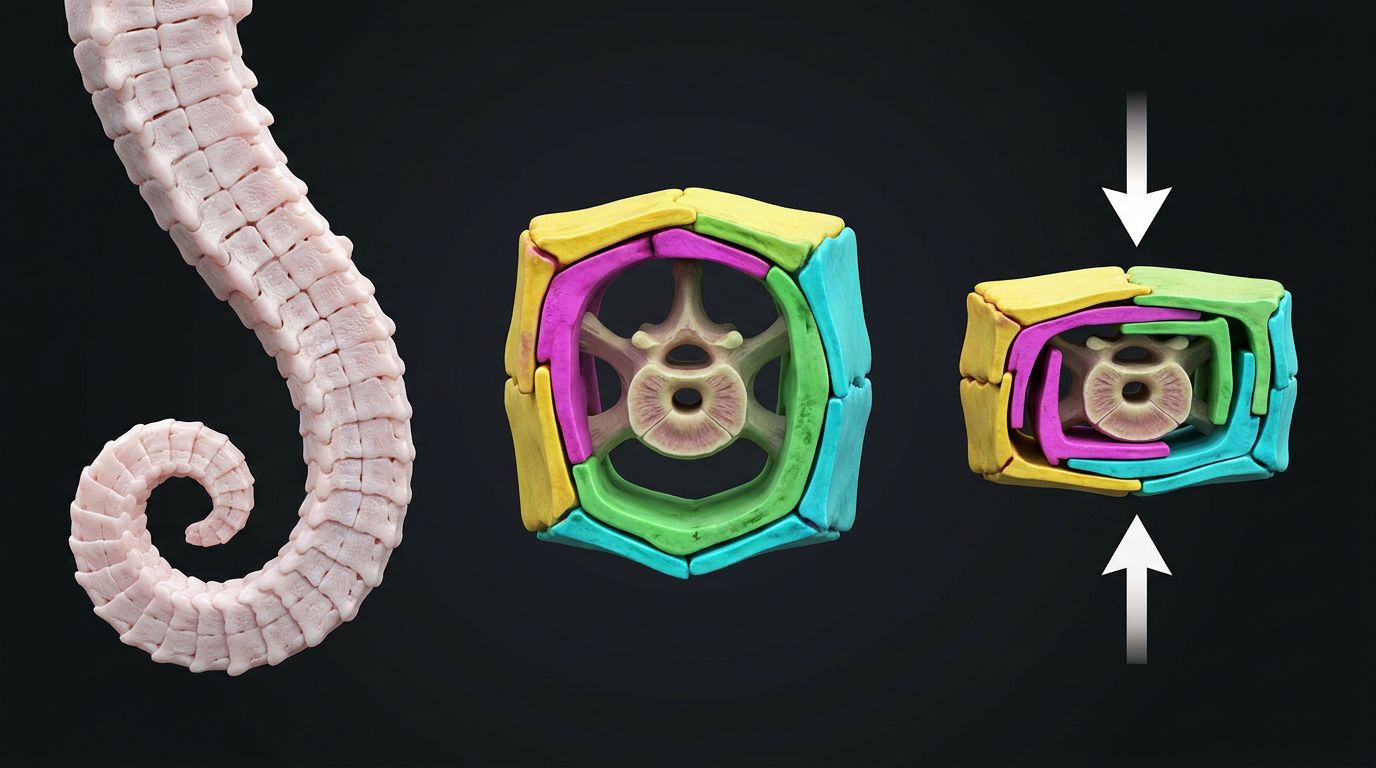
Illustrative renders of the seahorse-tail structure.
03 · The method
Rattlesnake tail inspired design techniques; creating new methods
Study the biology
Square cross-section, bony plates and vertebrae: why the seahorse tail is rigid and flexible at once.
Combine with the rattlesnake tail
We propose to adapt this unique design, in combination with that of a rattlesnake tail structure.
Prototype the segment
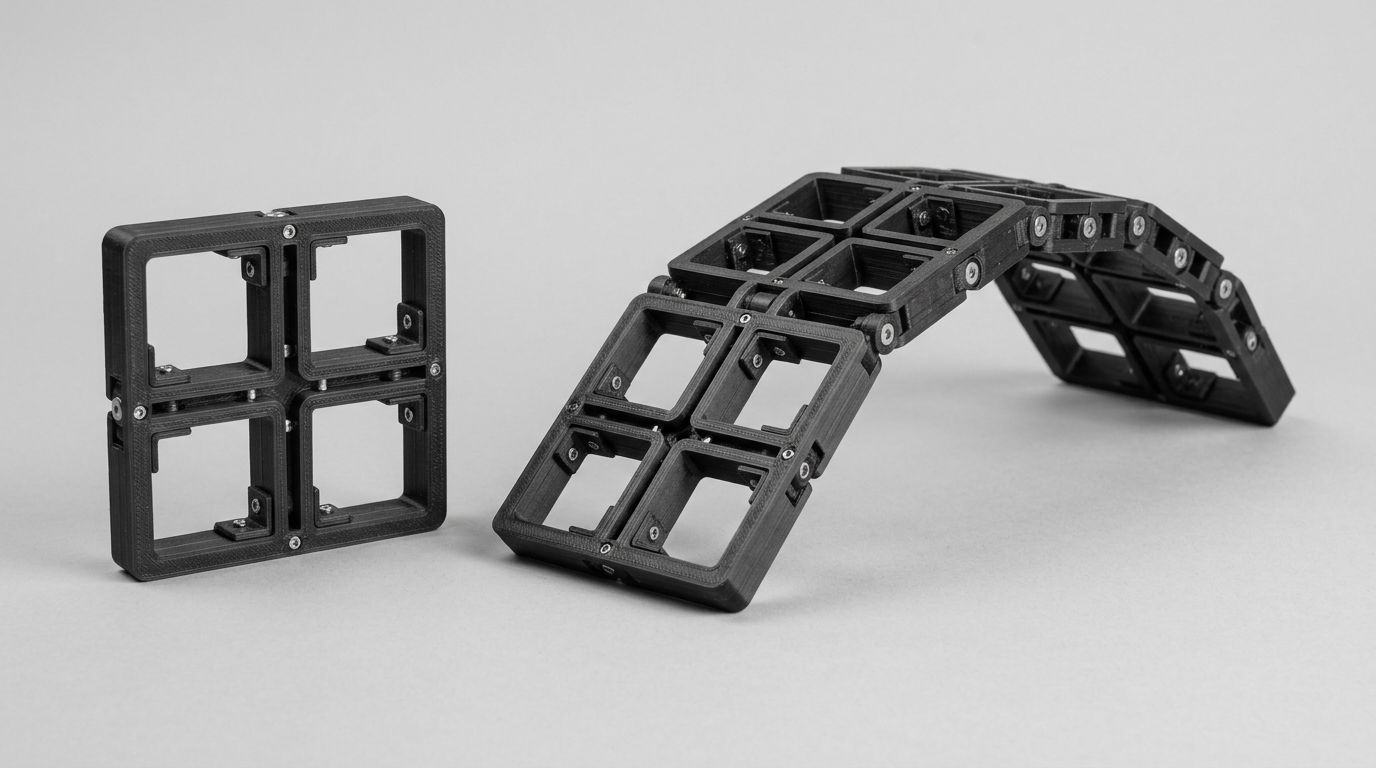
A square, segmented prototype tests how the structure deforms and recovers.
Design the mechanism
A long-key stabilizer mechanism using compliant design and topology optimization.
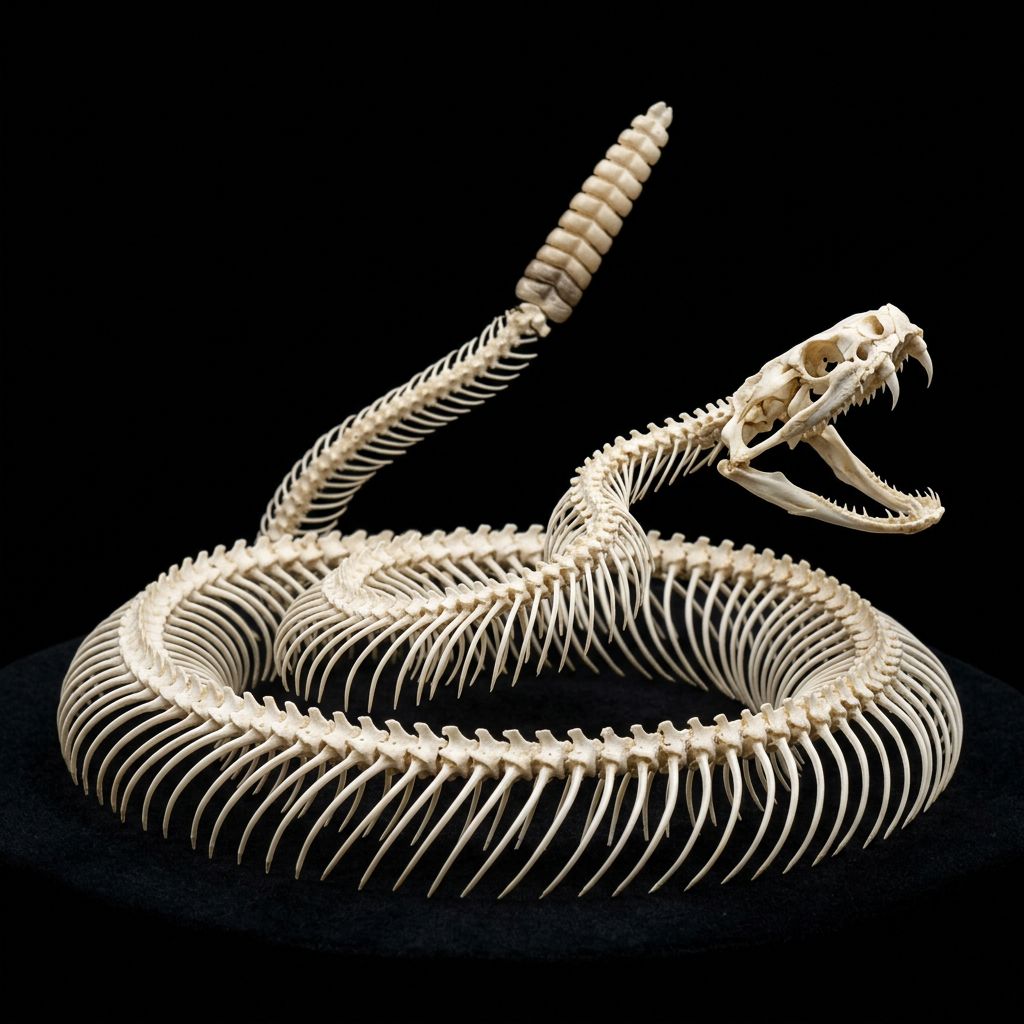
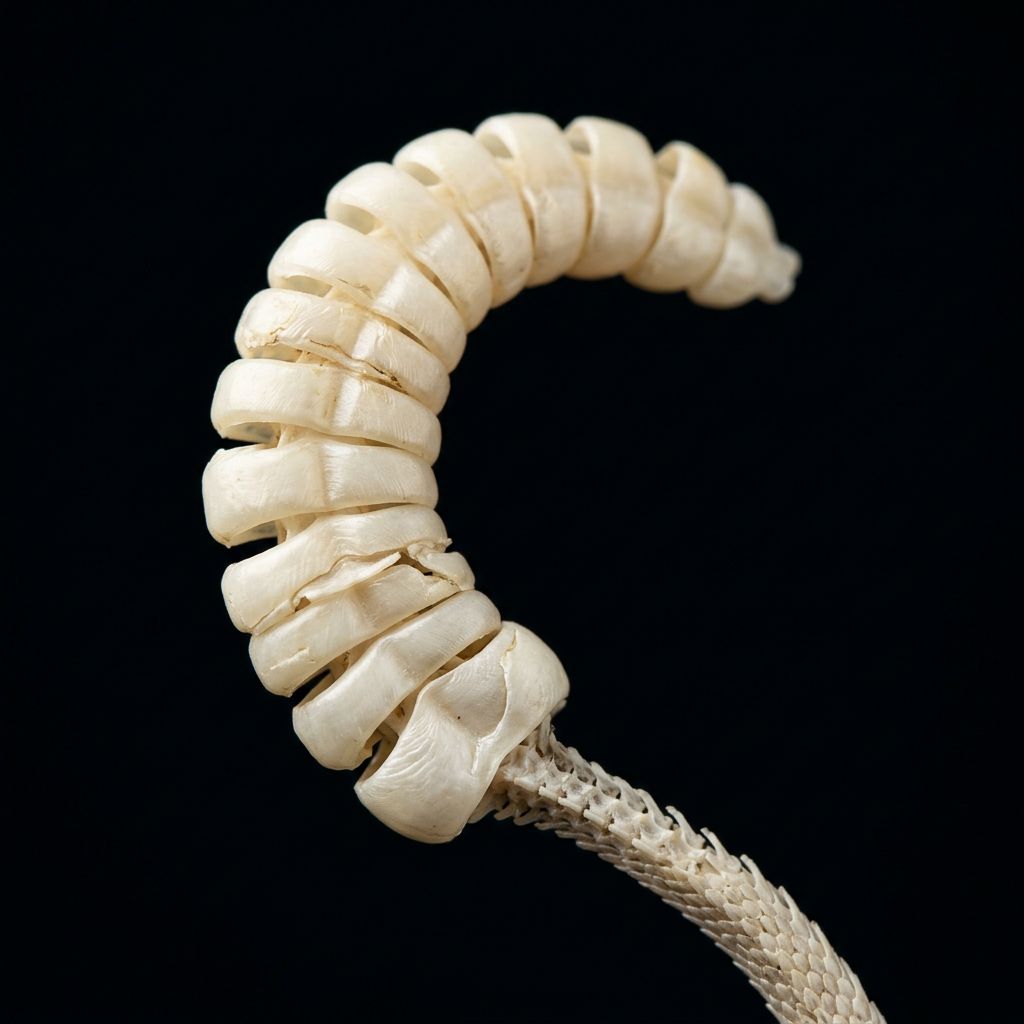
Illustrative renders of the rattlesnake tail structure.
Next-generation design
Biomimicry plus compliant design is the next generation of design
Nature solves rigid-and-flexible in one structure. CMDE Labs turns that into engineering, powered by best-in-class FEM design.
- Form and structure: topology optimized from the first sketch
- Material: chosen and iterated with the design
- Thermal gradients: simulated alongside stress and deformation
04 · Research partner
Built with IIT Kanpur
The design is 100% CMDE Labs intellectual property. IIT Kanpur is our research partner: Dr. Anupam Saxena heads its research lab for Compliant and robotic systems.
Its Intellectual Property and patent generation capability will give you a lasting advantage in your field.
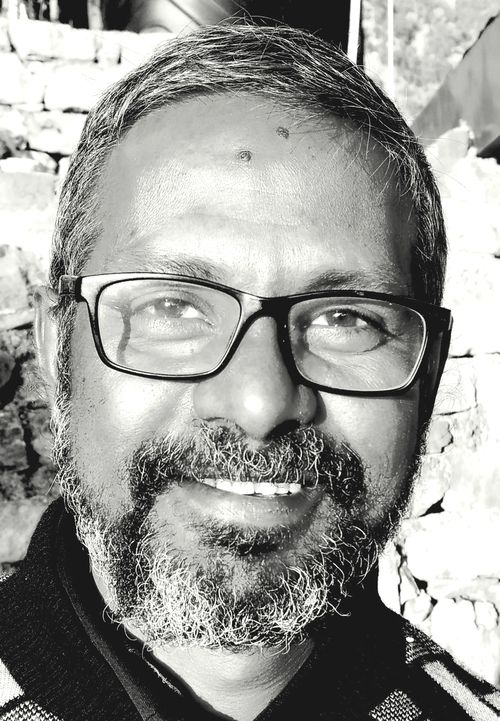
Dr. Anupam Saxena
Professor at IIT Kanpur, heads their research lab for Compliant and robotic systems. Renowned expert in Compliant mechanical design. Ph.D. University of Pennsylvania · B.Tech IIT Bombay, Mechanical Engineering.
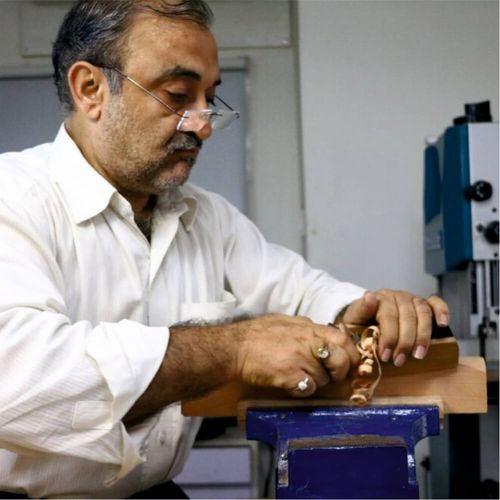
Dr. Parag Vyas
Leading authority in the domain of Wearable Design & Technology. Visiting Professor at IDC, IIT Bombay, National Institute of Design. B.Tech IIT Bombay · Masters in Design, IDC IIT Bombay.
05 · The journey
From keyboard keys to offshore floating structures
- 1
Biology
Seahorse tail and rattlesnake tail: rigid and flexible at once, up to 50% deformation without damage.
- 2
Computer keyboard keys
First used in a long-key stabilizer mechanism for Norbauer Keyboards.
- 3
Offshore floating structures
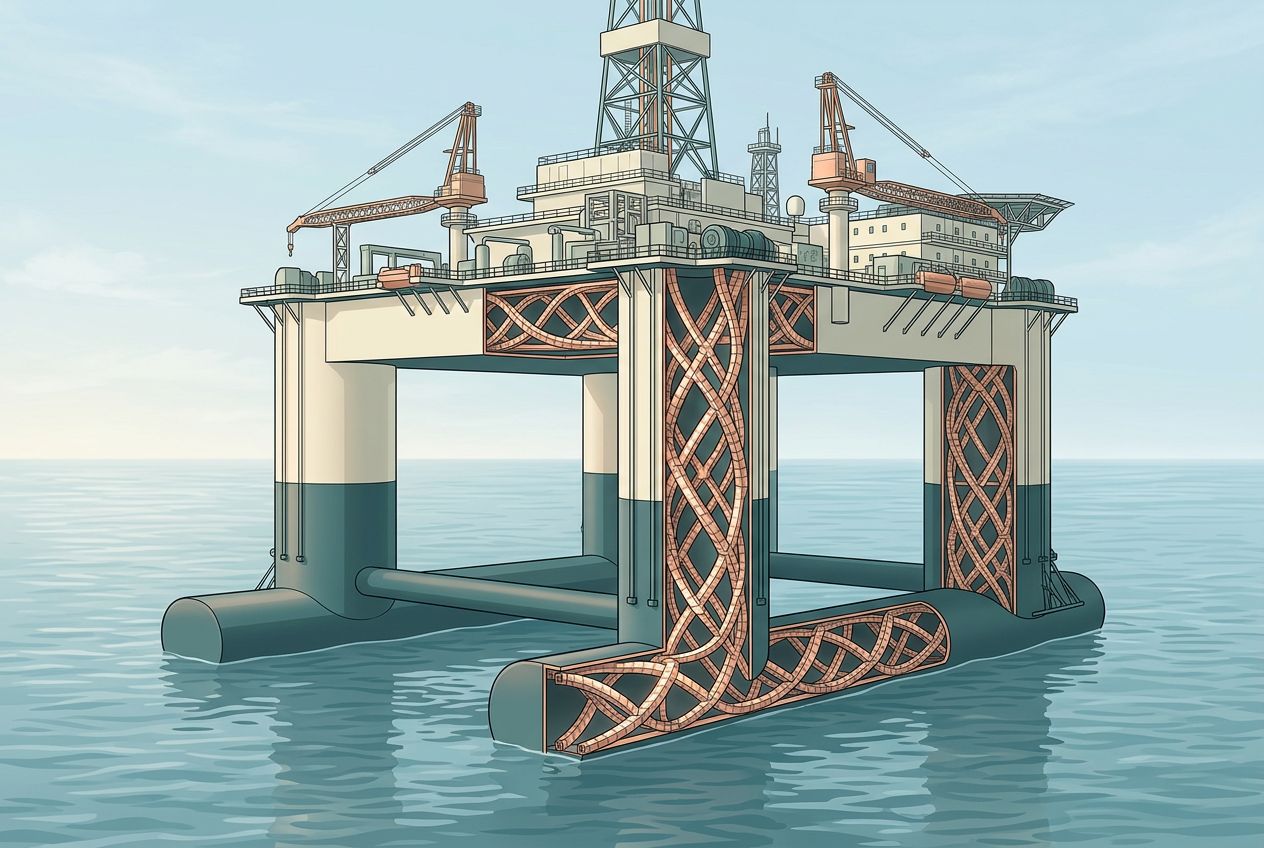
Proven again at a far larger scale: oil rigs and floating platforms.
06 · Why shipyards care
4–5% of a $250–300M structure is real money
Shipyards are adopting this because it saves nearly 4–5% across the design of offshore floating structures, each worth $250–300M.
Estimate: 4% × $250M = $10M; 5% × $300M = $15M.
Your mechanism next
Please call or email us for a demo.
We will begin with ROI planning on your product strategy. Using Compliant Mechanism can give you multiple advantages, including extra revenue and enhanced profit margins.